



Six Ways to Lower Rising Health Costs for Companies
Read more

Every year, employers spend more on healthcare benefits — and have less to show for it.
It is not for lack of effort. HR leaders add vendors, expand plan options, and invest in wellness programs. Brokers bring better contracts and smarter plan designs. Yet costs keep climbing, utilization stays low, and renewal conversations feel like defending a record no one is proud of.
The missing piece is rarely the benefit itself. It is what happens — or more often, what does not happen — in the moments between a health event and the care an employee actually receives.
This piece explores why healthcare spend is largely determined not at renewal, but in the everyday moments when employees are left to navigate the system on their own. And what changes when they are not.
Healthcare costs are not just a plan problem. They are a guidance problem.
Every renewal season, brokers and HR leaders are asked to explain the same story: costs are up, claims are rising, and employees are still struggling to navigate care. More vendors have been added. More benefits have been introduced. More resources are available. Yet the results often feel difficult to measure — and even harder to defend.
The reality is that healthcare costs are often won or lost long before renewal conversations begin.

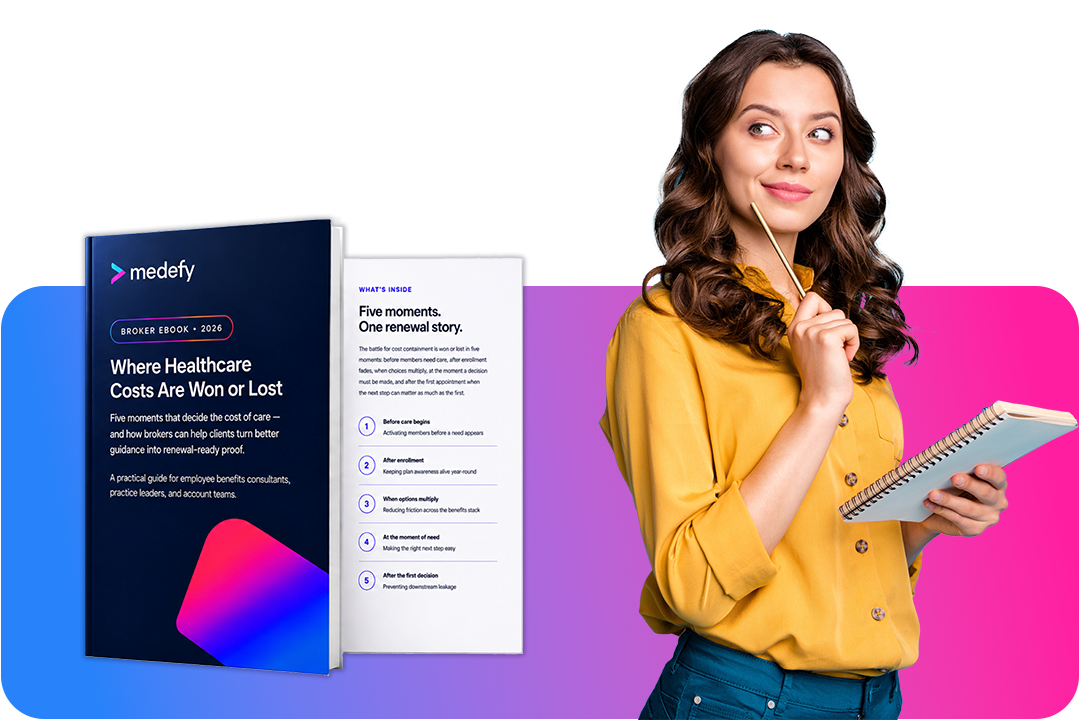
In Medefy's latest eBook, Where Healthcare Costs Are Won or Lost, we explore the five moments that most directly influence healthcare spend — and what happens when employees receive the right guidance at the right time.
The issue is not always the health plan itself. Often, it is what happens between the plan and the member. Employees are left to make fast healthcare decisions on their own: where to go, who to call, what to schedule, or whether to follow through. In those moments, convenience usually wins.
Take a common example: an MRI. One employee books a scan at a hospital outpatient center for $2,800. Another books the same scan at an accredited imaging center 10 minutes away for $400. Same procedure. Same market. The difference is guidance before the appointment is scheduled.
The eBook breaks down five key moments where costs are decided:
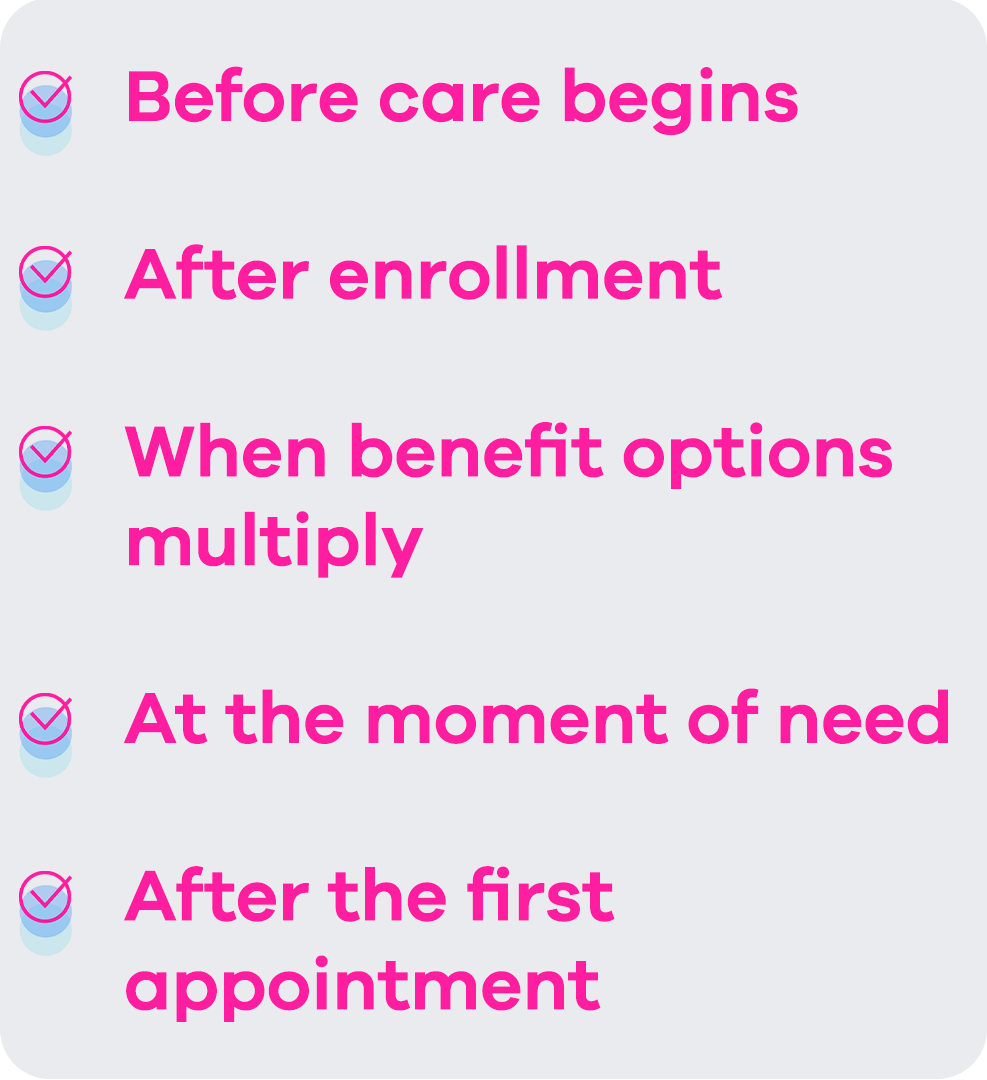
At each stage, the challenge is the same: employees may have access to benefits, but they often do not know how or when to use them. As benefit ecosystems become more complex, confusion increases, valuable programs go underused, and avoidable costs continue to grow. In fact, fewer than 10% of members choose the optimal care option on their own, without help.
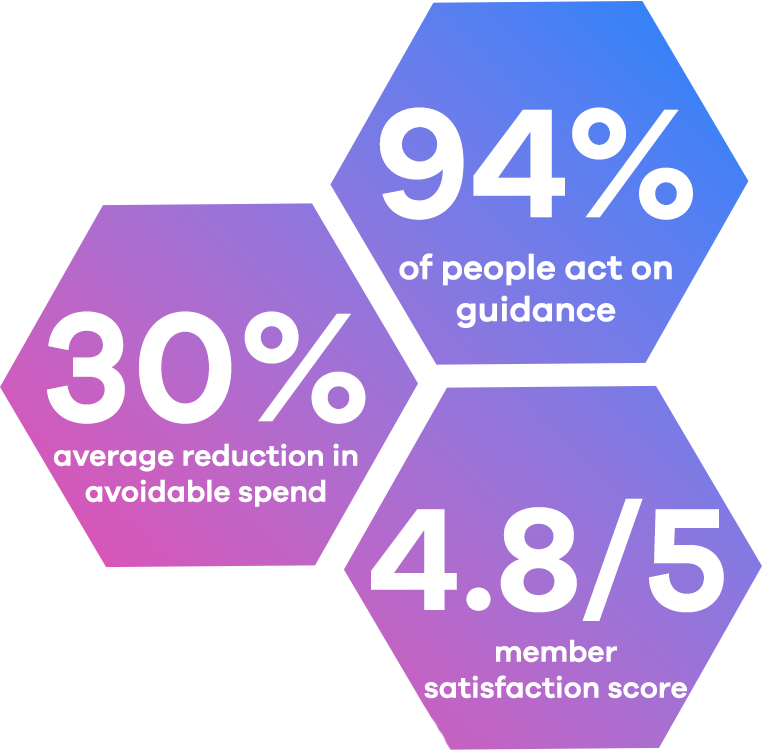
What changes outcomes is not more information. It is proactive, in-the-moment support that helps employees take the right next step. When that guidance reaches members at the right moment, 94% act on it. The result is an average 30% reduction in avoidable spend per guided event, and a member satisfaction score of 4.8 out of 5, because the experience of getting help matters as much as the outcome it produces.
The strongest cost-containment strategies do more than offer benefits. They create a clear path from insight, to intervention, to employee action, to measurable results.
When employees are guided through the healthcare journey, organizations can reduce avoidable spend, improve benefit utilization, and create a more defensible renewal story built on real outcomes instead of assumptions.
Download the eBook to explore the five moments where healthcare costs are truly decided, and how better guidance can help turn everyday healthcare decisions into renewal-ready proof.


