


Six Ways to Lower Rising Health Costs for Companies
Read more

What happens when you stop measuring clicks— and start measuring the impact of better decision-making?
For many organizations, digital health engagement is defined by app downloads or login rates. But those metrics only tell part of the story. True value comes from what people do with the information and resources available to them.
That distinction is the difference between a benefits program that looks active and one that actually changes how employees spend healthcare dollars. The good news: the shift from awareness to action isn't luck or budget. It's a repeatable approach, and any benefits team can build it.
Below is the playbook, drawn from a behavior-first engagement strategy that produced some of the strongest results we've seen. (The full numbers and breakdown are in the in-depth case study).
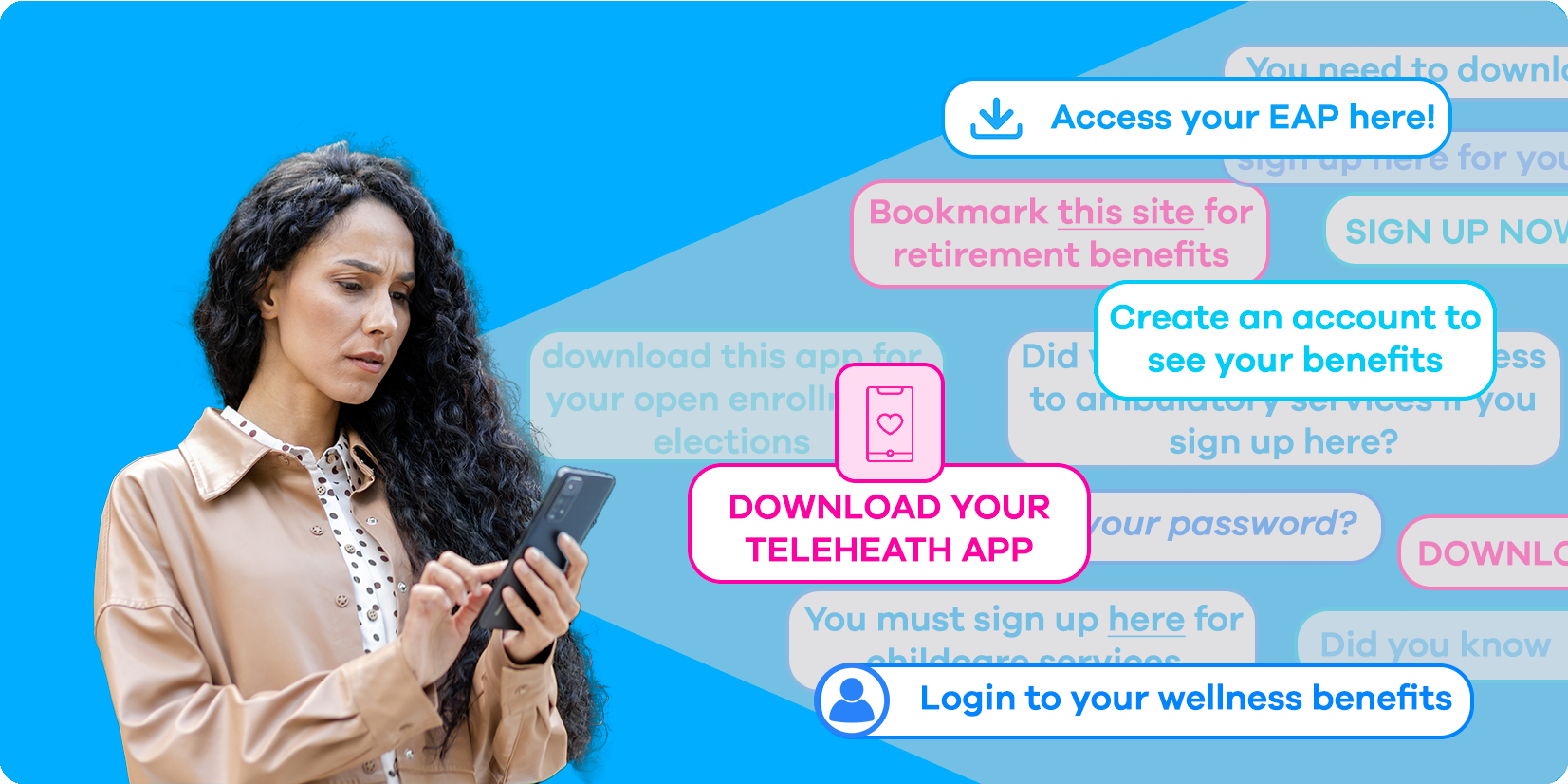
Most benefits programs already have the right tools in place: a navigation platform, cost-comparison resources, and care guidance. The gap usually isn't access. It's that employees don't fully leverage what they already have, often simply because they don't understand how or when to use it.
That insight reframes the entire engagement problem. Instead of doubling down on promotion, the more effective strategy evolves:
Not because they need another reason to log in, but because the right nudge shows up when a real decision is on the table. That's what actually leads to better healthcare decisions. In practice, this means treating engagement as a behavioral journey— not a marketing funnel.
When you analyze engagement data closely, a consistent pattern shows up: employees aren't disengaged—they're selectively engaged.
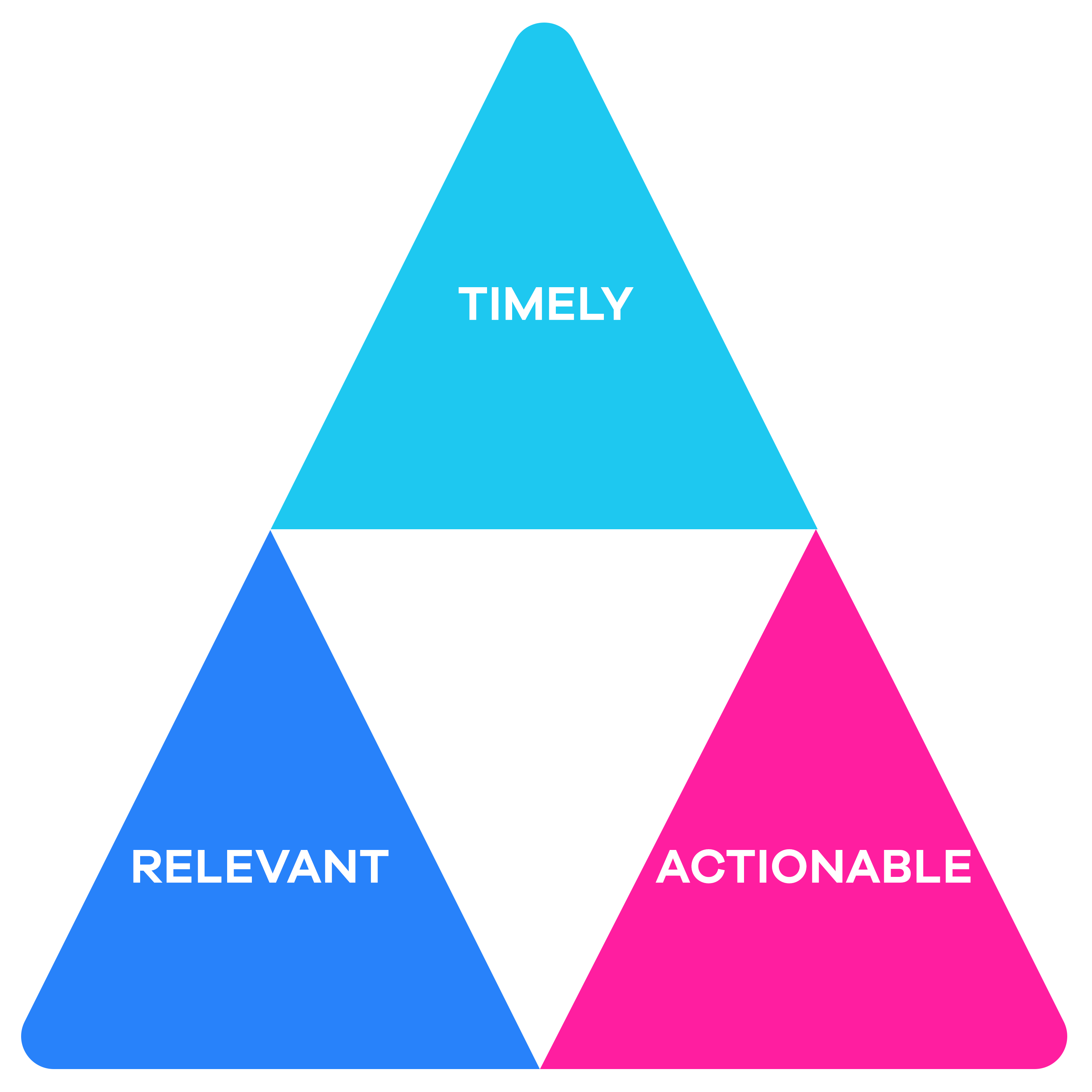
People are most likely to act when communications are:
In other words, engagement happens at the moment of decision— not before, and not after. The implication for your organization is simple: stop optimizing for volume of messages and start optimizing for timing and relevance.
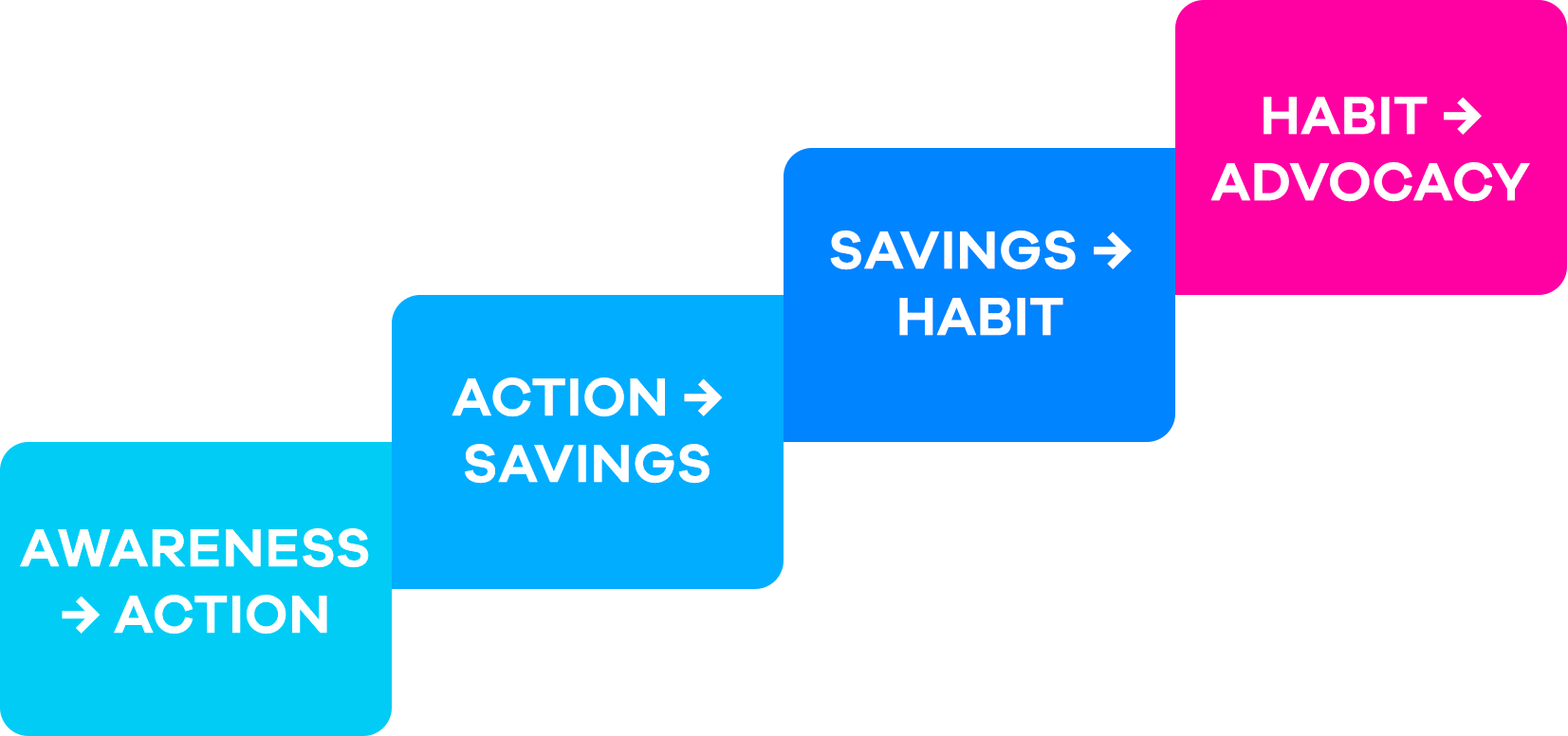
The most effective behavior-change strategies are structured and time-bound. Rather than a constant drip of generic communication, they move members through clear stages, each with a distinct goal. You can adapt this five-stage model to your own population and calendar.
Start with high-impact, easy-to-understand topics where the value is obvious and the decision is concrete— things like imaging price differences, facility cost variation for procedures, or knowing when to choose urgent care over the ER.
Why it works: When people understand cost and quality differences in simple terms, they act quickly.
Next, reinforce the value of those actions. Layer in general cost-saving strategies, real member stories, and specific, relatable comparisons.
Why it works: Social proof and real-world examples build confidence and follow-through.
Now shift the goal to consistency. Recap the wins, tie messaging to seasonally relevant decisions, and fold in preventive-care reminders.
Why it works: Repetition and reinforcement turn one-time actions into repeat behaviors.
Close by re-engaging members around the savings opportunities that matter most and encouraging them to keep making smart decisions.
Why it works: Once habits form, the focus shifts to sustaining and amplifying them.
The takeaway isn't the exact calendar; it's the architecture. A focused, staged campaign meets people where they are and moves them, step by step, from passive awareness to durable habit.
Organizations that adopt a behavior-first strategy consistently see meaningful gains not just in surface engagement, but in the metrics that actually matter: sustained participation, repeat interactions, and real program savings. The most striking part is that these results often come without adding a single new benefit. They come from helping employees better use the benefits they already have.
In one self-funded employer's program, this approach drove a significant lift in monthly interactions and daily engagement, lifted overall participation, and delivered the highest savings month in the program's history. The full month-by-month results (and the exact strategy behind them) are detailed in the in-depth case study.
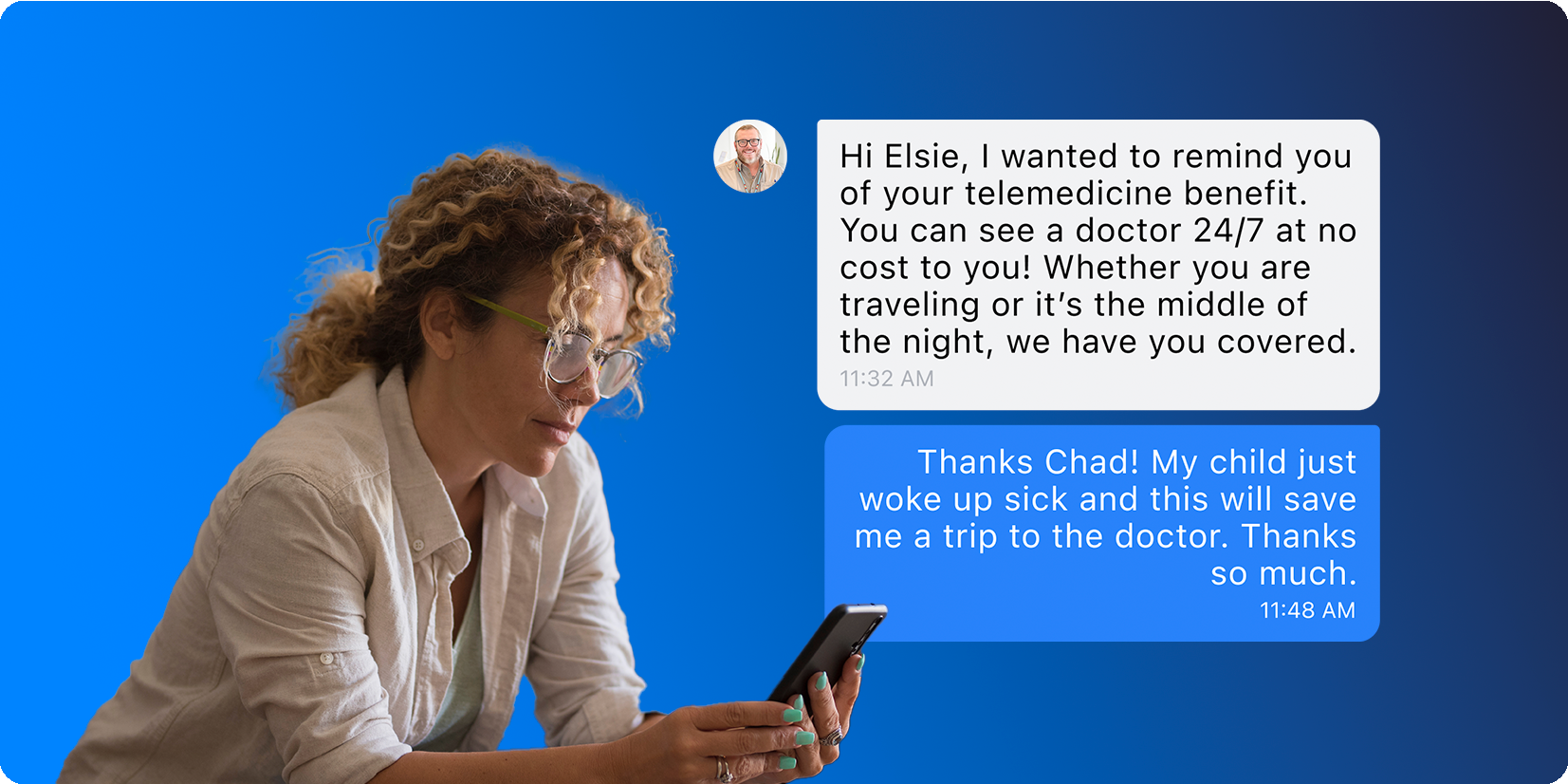
This points to a broader shift in how to think about healthcare engagement:
1. Behavior is the metric that matters. Adoption is a leading indicator, but behavior is what drives outcomes.
2. Timing beats volume. More communication isn't better. Better-timed communication is.
3. Education drives utilization. When people understand their options, they make smarter, more cost-effective decisions.
4. Short campaigns can create long-term impact. A focused, time-bound strategy can fundamentally change how employees engage with healthcare.
You can start building a behavior-first strategy with a few practical steps
The most effective healthcare strategies don't just inform. They influence behavior. By shifting focus from adoption to action, organizations prove that meaningful engagement isn't about getting attention; it's about guiding decisions.
And when those decisions improve, so do outcomes, costs, and long-term habits.
For teams rethinking their engagement strategy, the question isn't "How do we get more people to log in?" It's: "How do we help more people make better healthcare decisions— at the right time?"
That's where platforms like Medefy come into play. By combining a centralized benefits experience with real-time guidance and 24/7 human support, Medefy is designed to influence decisions in the exact moments they matter most— when someone is choosing where to go, what it will cost, and what to do next.
Because behavior change doesn't happen in dashboards or reports. It happens in real life, in real time. And when organizations meet employees in those moments with the right guidance, better decisions and better outcomes naturally follow.
Read the in-depth case study to see exactly how a self-funded employer turned this behavior-first strategy into record savings, including the full results, the week-by-week campaign structure, and the lessons you can apply to your own population.
Want to talk it through first? Chat with a Medefy expert about building an engagement strategy for your organization.


