


Six Ways to Lower Rising Health Costs for Companies
Read more

SHRM 2026 brought thousands of HR, benefits, and finance leaders into one room, and the conversations didn't disappoint. Across sessions, a clear theme emerged: employees aren't engaging with their benefits, and the cost is showing up everywhere from HR workloads to CFO spreadsheets. Here are the moments that captured this theme, and how to get to the answer the industry has been looking for.

• 80% of employees don't read benefits materials — making navigation support essential, not optional
• A single source of truth for benefits information directly reduces HR workload and employee confusion
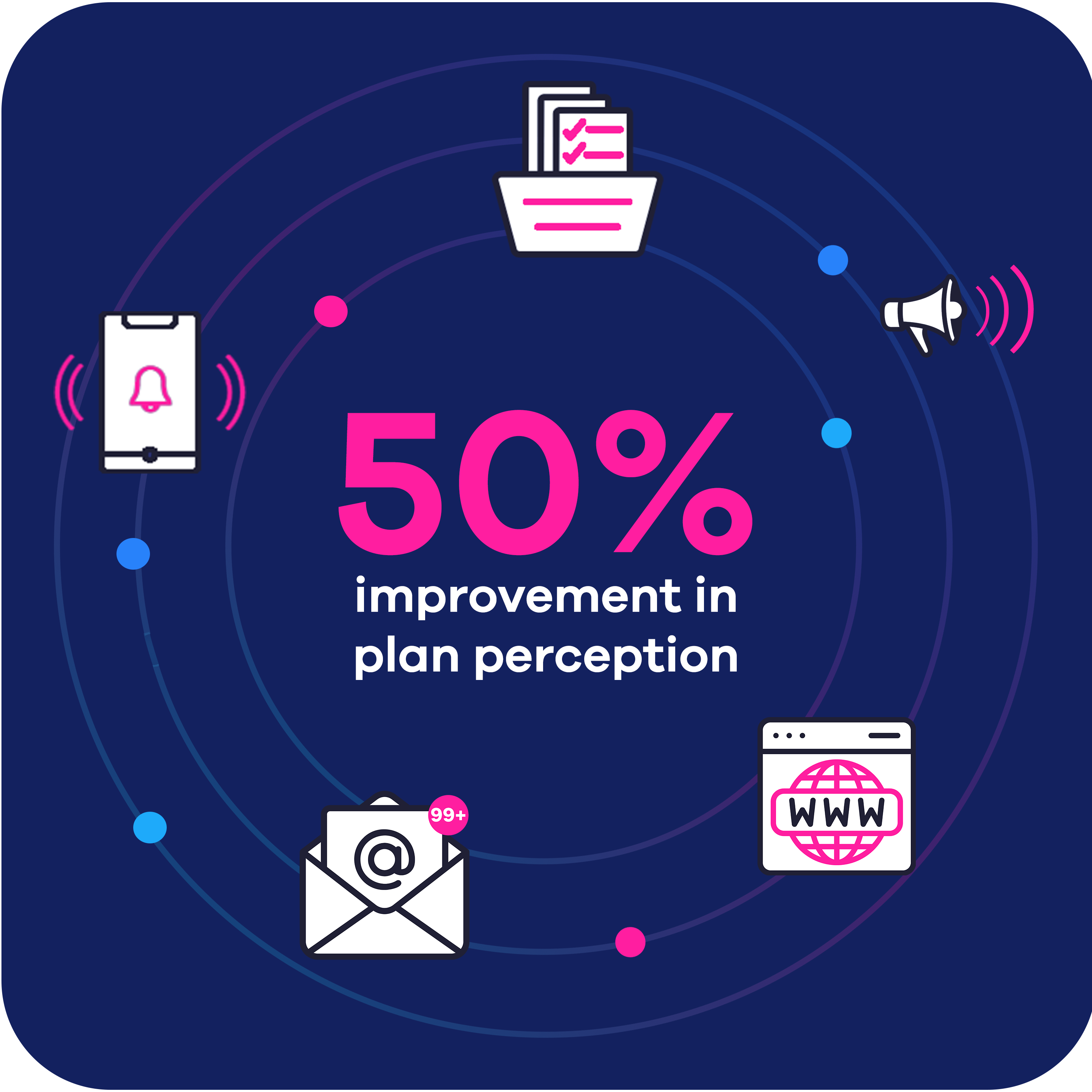
• Monthly benefits communication can improve plan perception by 50%, making year-round engagement a proven ROI driver
• Benefits that go unused or misunderstood are a direct financial loss — not just an engagement problem
• Medefy addresses all of these gaps with one platform: navigation, live guidance, member marketing, and measurable cost savings
SHRM is nothing like your average conference. It's a temperature check on where the benefits industry actually stands– what's working, what's failing, and what leaders are finally willing to say out loud. This year, the temperature revealed something most of us already suspected but rarely had the data to back up: the benefits system isn't broken because of bad plans. It's broken because employees can't access, understand, or act on what they've been given.
Session after session, the same thread ran through the event. Organizations are spending more on benefits than ever before. Employees are leaving them on the table. And the gap between what's being offered and what's actually being used is costing everyone — in dollars, in time, and in trust.
Simon Sinek said it plainly:
Benefits are one of the most direct expressions of that investment. But investment alone isn't enough if employees can't access what they've been given.
The good news? The solutions aren't theoretical. The path forward was named clearly on the SHRM floor, and the tools to walk it already exist.
Here's what the data said — and what it means for the way we think about benefits going forward.
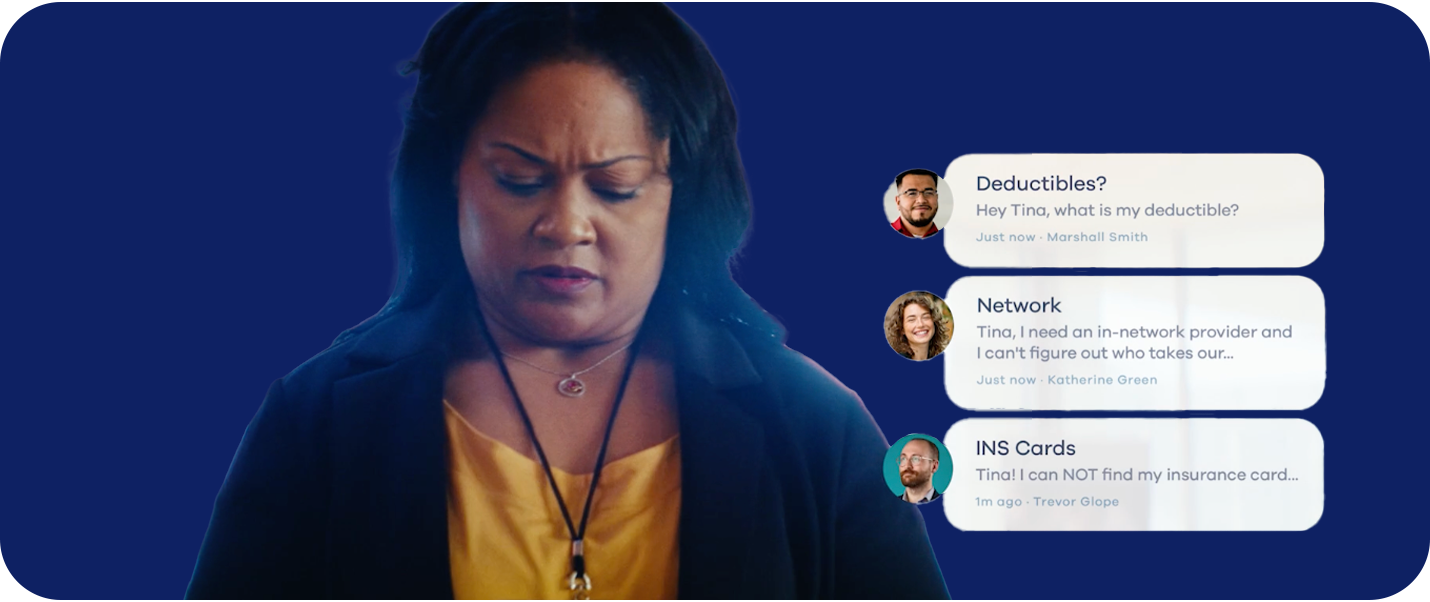
Ask any HR professional what takes up most of their day, and benefits questions are rarely far from the top of the list. Which plan covers this procedure? How do I find an in-network provider? What's my deductible again? These aren't complex questions — but they're being asked over and over because employees have nowhere reliable to go for answers.
Oprah Winfrey, in her keynote address, reminded the room of something that cuts to the heart of why this matters:
When an employee can't get a straight answer about their own healthcare, they don't just feel confused — they feel unseen. Like their needs didn't matter enough to make it easy. That experience quietly erodes trust in leadership, in HR, and in the organization as a whole.
The Baldwin Group put language to something HR teams have lived for years: what employees need isn't more information. It's one place where the right information lives, in plain language, available the moment they need it.
The single source of truth isn't a nice-to-have. For organizations serious about benefits utilization, it's the foundation on which everything else is built.
These three numbers, presented together, tell a story that should stop every CFO in their tracks. Benefits packages are among the largest line items in any organization's annual budget. And by these measures, a significant portion of that investment is functionally invisible to the people it's meant to serve.
This isn't an awareness problem that better brochures will fix. It's a structural gap between how benefits information is delivered and how employees actually make healthcare decisions. People don't research their benefits in advance. They need guidance in the moment– when they're sick, when they're confused, and when they're standing at a pharmacy counter wondering if this medication is covered.
Rather than hoping employees remember what they read during open enrollment, members need to be met where they are, and receive guidance toward the right care at the right cost when a real decision is being made.
When employees don't perceive value in their benefits, the problem isn't the plan. It's that no one helped them use it.
These two quotes deserve to be read together, because together they reframe the entire engagement conversation.
Chasing 100% engagement is a losing strategy, and it's one that leads organizations to double down on the same open enrollment playbook year after year, hoping the results will be different. The Baldwin Group offered a more honest framework: stop measuring success by whether everyone engaged and start measuring it by whether the right people could access what they needed, through the channels that work for them.
That shift in thinking has real consequences for brokers and the clients they serve. Benefits advisors who help their clients move from an annual communication model to a year-round engagement strategy aren't just improving employee satisfaction — they're improving the numbers that matter at renewal. A 50% improvement in plan perception doesn't happen because an employee read a booklet in October. It happens because they received consistent, relevant, accessible information throughout the year.
Year-round communication makes that possible. Across multiple channels, tailored to where different employee populations are and how they consume information. Behavior change doesn’t rely on one moment of engagement– it thrives on dozens.
Woven throughout all of these conversations was a deeper acknowledgment of the people who hold this work together. Oprah Winfrey didn't mince words when she addressed the HR professionals in the room, calling them:
It was a moment of recognition that landed — because it named something that HR professionals rarely hear said back to them. The work is hard. The stakes are human. And the tools they're given to do it need to be worthy of that responsibility.

Medefy is built with that standard in mind.
Medefy helps employers get more out of the plan they’re already paying for. Most employees forget what’s available within weeks of open enrollment, they don’t use the programs, and HR ends up doing triage. We put everything in one app with AI-supported Care Guides who help people find the right next step and follow up after. We also stay in front of your employees year-round with proactive outreach— so that when they need something, they already know where to go. The result is better utilization, lower costs, and real data at renewal.


